

Pledges are made at COP. They’re delivered by people.
From pledges to delivery
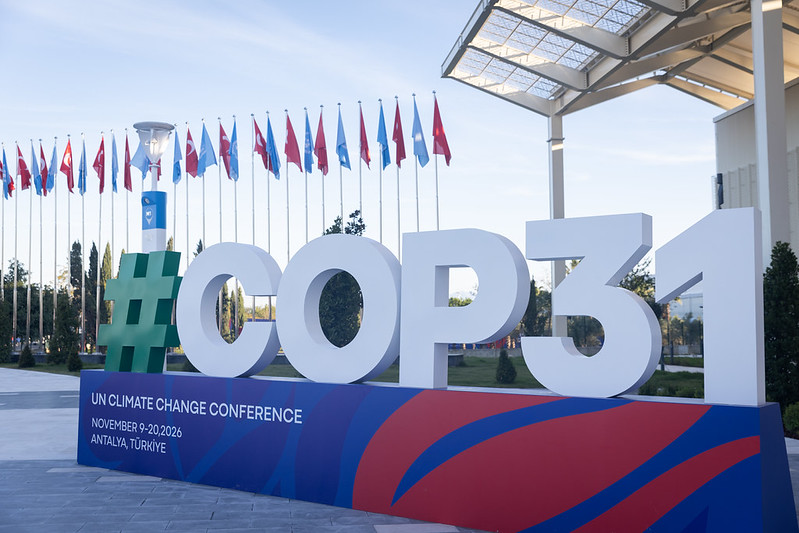
Three years ago, at COP28 in Dubai, 22 countries signed the Declaration to Triple Nuclear Energy by 2050. With COP31 underway in Antalya, Türkiye, that number has reached 39.
The ambition is there. World Nuclear Association’s latest outlook finds that government targets are collectively enough to meet the tripling goal. The challenge now is turning those targets into projects, programmes and operating capacity.
Much of the debate focuses on technology, policy and finance. All three matter. But there is one part of delivery that gets far less attention, and it may decide whether the pledges are met: the people who will design, build, run and regulate the plants.
Why nuclear matters at COP31
Nuclear energy sits at the meeting point of three of the biggest questions at COP31: how to cut emissions quickly, how to keep energy supplies secure, and how to meet fast-rising demand for electricity.
Clean power and clean heat. In 2025, nuclear plants generated a record 2,701 TWh, around 9% of the world’s electricity, according to World Nuclear Association’s World Nuclear Outlook Report 2026. That makes nuclear one of the largest sources of low-carbon power. It can also supply heat for industry, helping to decarbonise sectors that electricity alone struggles to reach.
Baseload power, 24/7. Nuclear provides firm, predictable low-carbon electricity. The same report shows the global fleet’s average capacity factor rose to 83.7% in 2025. After recent supply disruptions and price shocks, that reliability has become a matter of energy security, as many governments look to reduce their reliance on imported oil and gas.
Demand is rising fast. World Nuclear Association expects electricity demand to grow by around 40% by 2035, as industry, transport and heating electrify and data centres expand. Large energy users, including major technology companies, have joined the coalition supporting the tripling goal, looking for clean power that runs around the clock.
Nuclear’s role is still debated. Critics point to high upfront costs and long construction times, and financing new projects is a growing focus at COP. Many of these delivery challenges come back to one question: whether the right people will be in place at the right time.
What it will take: the people
Tripling nuclear capacity by 2050 will require annual construction starts to rise to around six times current levels, according to World Nuclear Association. The OECD Nuclear Energy Agency’s latest outlook warns that meeting the goal will require a substantial acceleration in the growth of the nuclear workforce, alongside supply chains and financing. Three challenges stand out.
A generation of experience to pass on. In many OECD countries, limited new builds over the past 25 years have weakened the industrial workforce and project delivery capabilities, the NEA notes. At the same time, many experienced professionals with hands-on nuclear construction experience are approaching retirement. The industry must keep today’s fleet operating for longer, build new plants and transfer critical knowledge in areas such as construction management, licensing and safety assurance to the next generation, all at once.
Nuclear isn’t hiring alone. Tripling nuclear capacity could create more than 5 million new jobs, Bain & Company estimates, many of them not specific to nuclear. Welders, construction managers and project professionals are also in demand across renewables, grids and data centres. Within the nuclear sector, civil nuclear programmes are competing with naval nuclear and defence submarine programmes for specialist expertise. The industry must therefore compete with other sectors for this talent amid worldwide shortages.
New nuclear countries need experienced people. New entrant countries are expected to contribute 153 GWe of nuclear capacity by 2050, according to World Nuclear Association. Building a nuclear workforce from scratch takes years, from establishing regulators to training licensed operators. Until local talent is ready, these countries depend on experienced professionals willing to work across borders, adding to competition for an already limited pool of expertise.
These challenges share one feature: they take time to solve. Engineers, operators and safety specialists need to be recruited and trained years before a plant comes online. For the reactors of the 2040s, the workforce decisions are being made now.
What the industry can do now
Each of these challenges takes years to solve, which is why the work has to start well before construction does. The World Nuclear Association’s 2026 outlook highlights the importance of investing early in education, training, knowledge exchange, international mobility and reskilling from adjacent industries.
Building on these priorities, there are five actions that can make a practical difference:
- Capture knowledge before it retires. Experienced professionals in nuclear construction, licensing, design authority and safety assurance hold knowledge that can take decades to develop. Structured mentoring, knowledge transfer programmes, phased retirements and access to experienced seconded experts can keep experienced professionals involved while the next generation learns from them.
- Widen the talent pool. Many of the skills nuclear needs already exist in other sectors, from oil and gas to defence and construction. Clear routes into nuclear, supported by the right training and security clearance, can help professionals transfer those skills into the sector.
- Build pipelines early. Apprenticeships, graduate schemes and early-career rotations take years to pay off, which is exactly why they need to start now. Developing future specialists requires sustained investment in education and practical experience.
- Make mobility easier. International professionals can help bridge skills gaps in newcomer countries and on large projects. However, having the right expertise available globally does not automatically mean it can be mobilised when needed. Relocation, recognition of qualifications, security clearance and onboarding need to be planned early.
- Plan the workforce with the project. Workforce planning should begin in the earliest stages of a new build, alongside financing, licensing and supply-chain planning. Recruitment is only part of the process: selection, notice periods, security clearance, mobilisation, onboarding and training can take months. Critical roles therefore need to be secured well before the capabilities are required.
Pledges are delivered by people
At COP31, governments and industry are discussing new commitments and partnerships, and perhaps welcoming new signatories to the tripling declaration. Each will need engineers, operators and regulators who aren’t yet in post.
At Thomas Thor, building and sustaining the global nuclear workforce is our mission. Through our global network and expertise in nuclear leadership search, recruitment, staff augmentation and workforce consulting, we help organisations find and develop the people needed to deliver nuclear projects and sustain the industry for the long term.
Share this article

Help us grow and achieve your potential at a values-driven business.